
Applying CBD oil for skin for hydration and anti-inflammatory benefits in a serene setting.

Benefits and Uses of CBD Oil for Skin: A Comprehensive Guide

Understanding CBD Oil for Skin: What You Need to Know

Defining CBD Oil and Its Properties

Cannabidiol (CBD) is a natural compound derived from the cannabis plant, specifically from its hemp variety. Unlike tetrahydrocannabinol (THC), CBD does not induce psychoactive effects; instead, it has garnered attention for its potential therapeutic benefits. CBD oil is extracted by infusing the cannabis plant with oil, typically olive or coconut oil, allowing potent compounds to be retained. The properties of CBD make it particularly fascinating for skincare, where hydration, anti-inflammation, and healing potential are of utmost importance. As consumers seek holistic and natural solutions for their skin health, products highlighting CBD oil for skin are increasingly gaining traction.

The Science Behind CBD Oil for Skin

The interaction of CBD with the endocannabinoid system plays a crucial role in its implications for skin health. The skin itself houses endocannabinoid receptors, which facilitate the regulation of various physiological processes, including inflammation, pain, and lipid production. By modulating the activity of these receptors, CBD may promote protective and restorative effects on the skin. Preclinical studies indicate that CBD possesses antioxidative properties that can help combat free radical damage, thus supporting healthy skin aging and potentially reducing the depth of fine lines and wrinkles.

Potential Benefits of Using CBD Oil on Skin

Utilizing CBD oil for skin presents a myriad of benefits. Here are some key potentials:

  • Hydration: CBD oil can bolster the skin’s moisture content, thanks to its emollient properties. This is particularly beneficial for individuals with dry or dehydrated skin.
  • Anti-inflammatory Effects: With a robust ability to reduce inflammation, CBD oil is promising for addressing conditions characterized by redness and sensitivity.
  • Antioxidant Properties: CBD’s potential to protect against oxidative stress supports skin resilience, making it a valuable ally in the quest for youthful-looking skin.
  • Balancing Oil Production: For those with oily skin types, CBD may help regulate sebum production, mitigating the likelihood of clogged pores and breakouts.

How CBD Oil for Skin Supports Different Skin Types

CBD Oil for Dry Skin: Hydration and Healing

Dry skin can be uncomfortable and often leads to irritation and cracking. For individuals struggling with this common issue, CBD oil can serve as an effective ally. The oil works by enhancing moisture retention in the skin and supporting the regeneration of skin cells, thanks in part to its fatty acid profile. Numerous users report a noticeable difference in their skin texture after incorporating CBD oil-based products, leading to softer and smoother skin.

CBD Oil for Oily Skin: Balancing Effects

Conversely, those with oily skin may benefit from CBD oil, which assists in balancing oil production. By influencing the sebaceous glands, CBD can help control excess sebum production, reducing the risk of acne breakouts. Studies indicate that CBD interacts with the skin’s receptive systems to maintain a healthy moisture level without contributing to unnecessary greasiness.

CBD Oil for Sensitive Skin: Soothing and Calming Benefits

Sensitive skin often reacts negatively to various environmental factors and harsh ingredients. CBD oil boasts natural anti-inflammatory properties that may soothe skin irritations and conditions such as rosacea and dermatitis. Users often report fewer flare-ups and an improved skin barrier function when utilizing CBD-infused skincare products, leading to healthier, calmer-looking skin.

Common Skin Conditions Treated with CBD Oil

Using CBD Oil for Acne: Reducing Inflammation

Acne is a pervasive skin condition affecting individuals of various ages. The anti-inflammatory properties of CBD oil can help diminish the swelling and redness associated with active acne lesions. Moreover, its ability to regulate sebum production aids in preventing the formation of new blemishes, creating a two-fold approach to managing acne. Incorporating CBD oil in targeted treatments can facilitate clearer skin and boost overall confidence.

CBD Oil for Eczema: Alleviating Symptoms

Eczema, a chronic skin condition characterized by inflamed, itchy patches, often requires specialized treatment. CBD oil has shown promise in alleviating the symptoms of eczema by reducing redness and calming itchiness. The oil’s moisturizing properties can also contribute to the maintenance of skin hydration, further preventing flare-ups. Regular use of CBD oil products can promote a restorative effect on skin affected by eczema.

CBD Oil for Psoriasis: Slowing Skin Growth

Psoriasis presents a distinct set of challenges due to its rapid skin cell turnover. This condition leads to the buildup of scaly patches and inflammation. CBD oil has been researched for its potential to slow the proliferation of skin cells, assisting in lessening the severity of outbreaks. Additionally, its anti-inflammatory properties can provide relief from itching and discomfort associated with psoriasis, enhancing the quality of life for those affected.

Incorporating CBD Oil into Your Skincare Routine

Choosing the Right CBD Oil for Skin Products

Selecting the appropriate CBD oil product for skin care involves considering factors such as concentration, type of extraction, and ingredient quality. Full-spectrum CBD oils, which contain varying cannabinoids and terpenes, may offer enhanced benefits due to the entourage effect. Always look for products that are transparently tested for purity and potency, ensuring they meet safety and quality standards.

Steps for Effective Application of CBD Oil for Skin

To maximize the benefits of CBD oil, users can follow these simple steps for application:

  1. Start with Clean Skin: Make sure to cleanse the skin before application to remove any impurities or residual makeup.
  2. Apply Generously: Utilize a few drops or a pea-sized amount of CBD oil or cream, gently massaging it into the targeted area, or applying it across the entire face.
  3. Follow with Moisturizer: After allowing the CBD oil to absorb, seal in the benefits by applying a suitable moisturizer, enhancing hydration and effectiveness.
  4. Consistency is Key: Regular use will offer the best results, promoting improved skin health over time.

Combining CBD Oil with Other Skincare Ingredients

CBD oil integrates well with various skincare ingredients, offering synergistic benefits when combined. For example, pairing CBD oil with hyaluronic acid can enhance hydration, while combining it with vitamin C can provide powerful antioxidant protection. However, it’s essential to avoid clashing ingredients that may irritate the skin, such as retinol or certain acids, unless carefully managed. Always perform patch tests before introducing new combinations to your routine.

Addressing Concerns and Misconceptions about CBD Oil for Skin

Side Effects and Allergic Reactions

While CBD oil is generally well-tolerated, some individuals may experience allergic reactions or mild side effects such as dryness or irritation. Conducting a patch test before widespread application is advisable to ensure compatibility. If adverse reactions occur, it’s important to cease use and consult a dermatologist for personalized advice.

Legal and Quality Considerations for CBD Products

The legal landscape surrounding CBD can vary significantly by location. It’s essential to ensure that any CBD oil for skin products comply with local regulations. Additionally, consumers should prioritize products that provide third-party lab testing results, confirming the purity, potency, and safety of the CBD oil. This diligence mitigates the risks associated with inferior products.

Frequently Asked Questions About CBD Oil for Skin

As CBD oil continues to rise in popularity for skincare, numerous questions arise. Here are a few of the most common inquiries:

  • Is CBD oil suitable for all skin types?
    Yes, CBD oil can be beneficial for most skin types, though individual reactions may vary. It’s advisable for users with sensitive skin to conduct a patch test.
  • Can I use CBD oil daily?
    Yes, many users incorporate CBD oil into their daily skincare routine. Consistency can enhance results over time.
  • Will CBD oil make my skin oily?
    No, CBD oil has balancing effects and is unlikely to exacerbate oiliness. In fact, it may help regulate sebaceous activity for oily skin types.
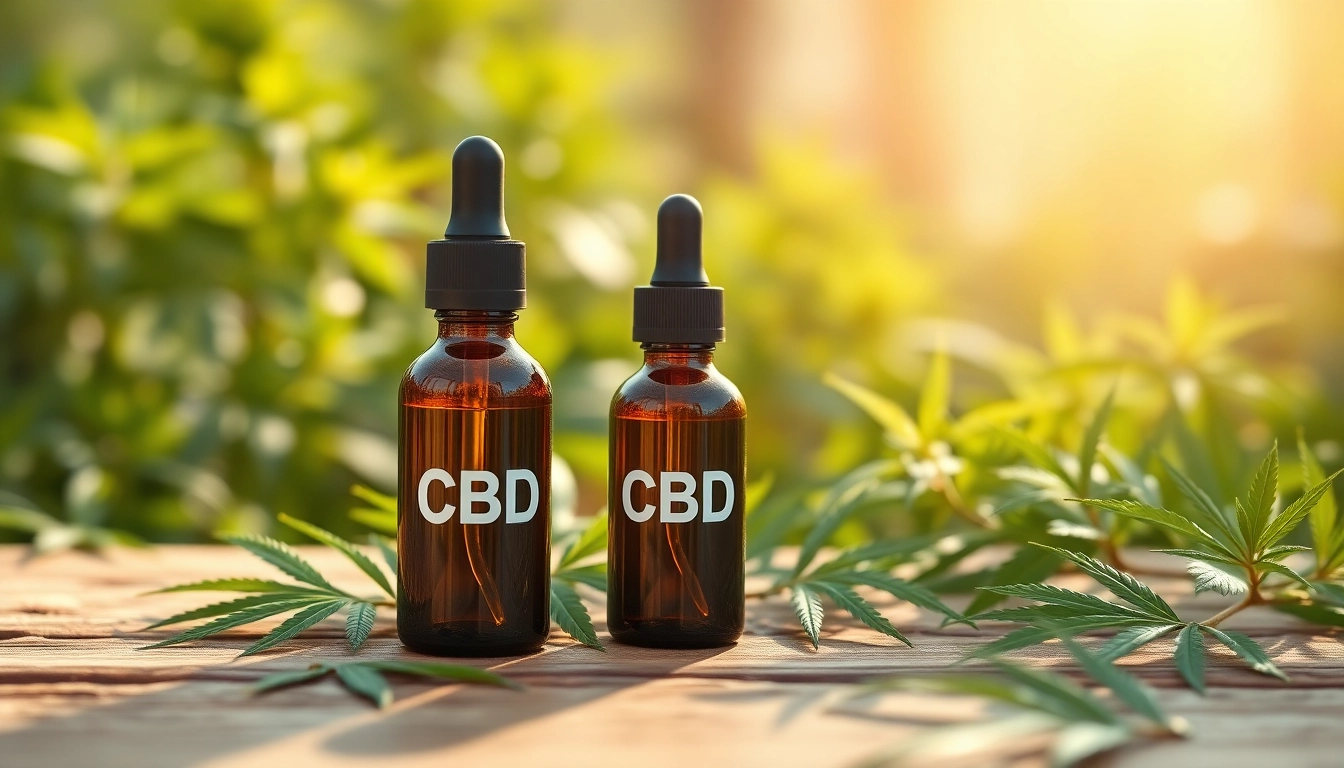
Showcase CBD Oil bottle on a wooden table with fresh hemp leaves, emphasizing natural wellness.

Essential Insights into CBD Oil: Benefits, Uses, and Considerations

Understanding CBD Oil: Origins and Composition

Cannabidiol (CBD) is a naturally occurring compound found in the cannabis plant, especially in hemp varieties. Unlike its more famous cousin, tetrahydrocannabinol (THC), CBD does not produce psychoactive effects, making it an attractive option for those seeking the therapeutic benefits of cannabis without the high. This article delves into the origins, composition, and extraction processes associated with CBD Oil, providing a solid foundation for understanding its potential benefits and uses. To explore more about CBD Oil, visit CBD Oil.

The Extraction Process of CBD Oil

The method of extracting CBD from the cannabis plant significantly influences the quality and composition of the resulting oil. There are several methods used, each with its advantages and disadvantages:

  • CO2 Extraction: Often regarded as the gold standard, this method uses carbon dioxide under high pressure and low temperature to extract CBD. This technique allows for a high-purity product while preserving a broad spectrum of cannabinoids and terpenes.
  • SOLVENT Extraction: This method involves using a solvent, such as ethanol or butane, to dissolve the cannabinoids and extract them from the plant material. While this method can be effective, it may leave behind harmful residues if not thoroughly processed.
  • OLIVE OIL Extraction: One of the simplest methods, olive oil extraction involves heating the cannabis plant with olive oil to infuse it with cannabinoids. This approach is less efficient in extracting cannabinoids, but it is safe and highly effective for home production.

Regardless of the extraction method, it’s crucial that the final product undergoes third-party lab testing to verify its potency and purity. Consumers should seek products that provide transparent lab results, ensuring that they are getting a clean, effective product.

Cannabinoids and Their Role in CBD Oil

CBD is just one of over a hundred cannabinoids found in cannabis. These cannabinoids interact with the body’s endocannabinoid system (ECS), which plays a critical role in regulating various physiological functions, including pain, mood, appetite, and sleep. The ECS consists of cannabinoid receptors (CB1 and CB2) located throughout the body, allowing it to maintain homeostasis.

Besides CBD, other prominent cannabinoids include:

  • THC: The most well-known cannabis compound, THC is responsible for the psychoactive effects of marijuana. However, at lower concentrations, THC can enhance the therapeutic effects of CBD.
  • CBG (Cannabigerol): Often referred to as the “mother of cannabinoids,” CBG is non-psychoactive and has shown potential benefits in pain relief and inflammation.

Understanding the role of these cannabinoids allows consumers to appreciate the complexity and potential benefits of CBD Oil, particularly in products that feature a range of cannabinoids working synergistically, known as the “entourage effect.”

Types of CBD Oil: Full-Spectrum vs. Broad-Spectrum

When selecting CBD Oil, understanding the types available is crucial for choosing the right product based on individual health needs. The main types of CBD Oil are full-spectrum, broad-spectrum, and CBD isolate:

  • Full-Spectrum CBD Oil: Contains all the cannabinoids, terpenes, and other beneficial compounds found in the cannabis plant, including trace amounts of THC (usually below 0.3%). This type harnesses the entourage effect, which enhances the therapeutic effects of each compound.
  • Broad-Spectrum CBD Oil: Similar to full-spectrum, but with the THC completely removed. This option allows users to enjoy the benefits of multiple cannabinoids without any concern for THC’s psychoactive effects.
  • CBD Isolate: The purest form of CBD, available as a crystalline powder containing 99% pure CBD. This option is ideal for those who wish to avoid all other cannabis compounds.

Choosing the right type of CBD Oil depends on individual preferences, health goals, and any specific sensitivities one may have to THC.

Potential Health Benefits of CBD Oil

The potential health benefits of CBD Oil have garnered considerable attention from researchers and users alike. While many studies are still in preliminary stages, several findings suggest promising therapeutic applications.

How CBD Oil Affects Pain Relief

One of the most widely touted benefits of CBD Oil is its ability to alleviate pain. Research suggests that CBD interacts with the ECS, which regulates pain pathways. A review of studies indicates that CBD may be effective in reducing chronic pain, especially for conditions like arthritis, multiple sclerosis, and neuropathic pain.

Some potential mechanisms of action for pain relief include:

  • Anti-inflammatory Properties: CBD may help reduce inflammation and swelling, directly addressing one of the root causes of pain.
  • Nerve Pain Modulation: CBD has shown efficacy in various models of neuropathic pain, impacting how the brain processes pain signals.

By providing a dual mechanism of reducing inflammation and modulating pain perception, CBD Oil shows promise as an alternative to traditional pain relievers, particularly for those experiencing chronic conditions.

The Impact of CBD Oil on Anxiety Management

Anxiety is a common mental health concern affecting millions worldwide. Preliminary research indicates that CBD Oil may help alleviate anxiety symptoms. Studies suggest that CBD can affect serotonin receptors in the brain, contributing to its anxiolytic effects.

Additional research highlights the potential benefits of CBD Oil for:

  • Generalized Anxiety Disorder: Clinical studies have shown that CBD can significantly reduce anxiety levels in patients with social anxiety disorder and generalized anxiety disorder during public speaking tasks.
  • PTSD: CBD Oil may also aid in managing post-traumatic stress disorder (PTSD) symptoms, helping patients process memories and reduce overall anxiety.

While many users report positive effects regarding anxiety, it’s essential to approach CBD Oil with caution and consult with a healthcare professional for tailored recommendations.

Research-Backed Benefits of CBD Oil for Sleep Disorders

Sleep disorders, including insomnia, affect the quality of life for many individuals. Research suggests that CBD Oil may assist in improving overall sleep quality and managing sleep-related issues.

How CBD promotes better sleep includes:

  • Reducing Anxiety: By alleviating anxiety, CBD can create a more conducive environment for relaxation, helping users to fall asleep more easily.
  • Addressing Pain: For those whose sleep is disrupted by chronic pain, the analgesic effects of CBD may offer relief, allowing for uninterrupted rest.

Users of CBD Oil have reported benefits in both sleep onset and decreasing nighttime awakenings, making it a potential therapeutic option for those struggling with sleep disorders.

Using CBD Oil Safely and Effectively

As with any health supplement, understanding how to use CBD Oil safely and effectively is paramount for achieving desired results. Considerations include dosage, potential side effects, and consulting with a healthcare professional.

Recommended Dosages of CBD Oil for Beginners

Finding the right dosage of CBD Oil can be a personalized journey, as it varies based on several factors, including body weight, metabolic rate, and individual sensitivity to cannabinoids. A general guideline for newcomers recommends starting with a low dose, typically around:

  • 5-10 mg per day: A low starting point allows the body to adjust and helps gauge individual sensitivity.
  • Gradual Increase: Users can gradually increase the dosage by 5 mg every week until they find the optimal level that provides relief without unwanted side effects.

Consistency in dosage is key, as it allows users to identify the effective range for their needs. Keeping a journal to track feelings and responses can help fine-tune dosing.

Common Side Effects of CBD Oil

While CBD Oil is generally well-tolerated, some individuals may experience side effects, particularly at higher doses. Common side effects include:

  • Fatigue: A mild feeling of drowsiness may occur, especially when starting with a higher dose.
  • Digestive Issues: Some users report diarrhea or changes in appetite.
  • Drug Interactions: CBD Oil may interact with certain medications, particularly those processed by the liver. Consult with a healthcare provider if you are taking medication.

Listening to your body and proceeding with caution can help mitigate the risk of adverse effects.

Consulting with Healthcare Providers About CBD Oil

Engaging with a healthcare provider before starting CBD Oil is highly recommended, especially for those with pre-existing health conditions or those taking medications. Providers can provide valuable insight on dosing, potential interactions, and individual health considerations. Establishing an open dialogue about cannabis use is vital for ensuring optimal, safe outcomes.

CBD Oil for Different Demographics

CBD Oil’s versatility extends across various demographics, offering potential benefits for different groups, including seniors, pets, and athletes. Understanding how to tailor usage for each demographic enhances the effectiveness and safety of CBD Oil.

CBD Oil for Seniors: Benefits and Precautions

Seniors may benefit from CBD Oil for its potential to alleviate multi-faceted health issues, including chronic pain, anxiety, and sleep disturbances. Some considerations for senior users include:

  • Joint Pain Relief: CBD can support mobility by managing arthritis and joint pain, which are common amongst the elderly.
  • Enhanced Quality of Life: CBD may help seniors navigate depression and anxiety, ultimately contributing to improved mental health.
  • Precise Dosing: Given pharmacological differences in elderly tissue metabolism, lower doses are often more effective and safer.

Seniors should always consult a healthcare professional before introducing CBD Oil, as it can interact with commonly prescribed medications.

Using CBD Oil for Pets: What Owners Should Know

Pet owners are increasingly exploring the benefits of CBD Oil for their furry companions, particularly for issues such as anxiety, pain relief, and inflammation. Key considerations include:

  • Pet-Specific Formulations: Use CBD products specifically designed for pets to ensure proper dosage and formulation that is safe for animals.
  • Guidance from Vets: Always consult with a veterinarian familiar with CBD for pets to determine appropriate dosages, especially for dogs and cats with underlying health concerns.
  • Emergency Preparedness: Monitor pets for adverse reactions to CBD, particularly with new administrations, and have a plan in place for emergencies.

Informed decision-making can lead to successful outcomes in enhancing pet health and well-being.

CBD Oil in Sports: Usage and Benefits for Athletes

Athletes are turning to CBD Oil as a natural alternative for pain management, inflammation reduction, and anxiety relief. Benefits for athletes may include:

  • Post-Workout Recovery: CBD’s anti-inflammatory properties may assist in speeding up recovery times, allowing athletes to train harder and more frequently.
  • Stress Management: CBD may help athletes manage the pressures and anxiety associated with high-stakes competition.
  • Sleep Aids: Quality sleep is critical for performance; CBD Oil can contribute to improved sleep quality and, thus, recovery.

As interest grows, athletes should remain updated on any sports regulations concerning CBD usage to ensure compliance and avoid potential penalties.

The Future of CBD Oil in Health and Wellness

The future landscape of CBD Oil is promising and multifaceted, driven by ongoing research, regulatory developments, and consumer interest. It is crucial to stay informed about these evolving aspects to fully understand CBD’s potential.

Trends in CBD Oil Research and Development

As the understanding of CBD progresses, research is expanding into new areas, including:

  • Neuroprotection: Studies are investigating CBD’s potential to protect against neurodegenerative diseases.
  • Cancer Treatment Aids: Preliminary research is examining CBD’s ability to mitigate chemotherapy side effects and even enhance anti-tumor effects.

Continued funding and interest in CBD research may yield new applications and therapeutic protocols using CBD Oil.

Regulatory Considerations for CBD Oil Products

The regulatory environment surrounding CBD is evolving. In recent years, changes in enforcement and guidelines have opened avenues for CBD market growth. However, regulation is crucial to ensure product safety and quality, creating standards for testing, labeling, and marketing. Ongoing dialogue among legislators, health officials, and consumers can shape a responsible framework governing CBD Oil products in the health and wellness industry.

Consumer Awareness and Education on CBD Oil

With the influx of CBD products in the consumer market, educating potential users about CBD is vital. Awareness campaigns can focus on:

  • Understanding product labeling and the importance of third-party testing.
  • Communicating realistic expectations regarding CBD’s therapeutic benefits.
  • Highlighting legal guidelines regarding CBD use across various states and regions.

By promoting informed decision-making, consumers can engage more effectively in their health and wellness journeys, utilizing CBD Oil safely and beneficially.