Experience Cannabis Vape setup with sleek pen in a cozy, modern space.

Elevate Your Experience: The Comprehensive Guide to Cannabis Vape

Understanding Cannabis Vape: Types and Benefits

What is Cannabis Vape?

The term Cannabis Vape refers to the process of inhaling cannabis extracts in vapor form, rather than through traditional smoking, which often involves combustion. Vaping provides a modern alternative that appeals to both medical and recreational users due to its efficiency and discretion. Instead of burning the raw cannabis flower, a vaporizer heats the flower or extracts to a specific temperature—typically between 315°F and 450°F—where the active compounds, mainly THC (tetrahydrocannabinol) and CBD (cannabidiol), evaporate into a vapor that can be inhaled. This method of consumption is often praised for being more health-conscious than smoking, as it produces fewer harmful byproducts and provides a cleaner taste.

Exploring Different Types of Cannabis Vape Devices

There is a diverse array of cannabis vape devices available on the market, each designed to fit different user preferences. Key types include:

  • Vape Pens: Compact and portable, vape pens come in two main varieties: pre-filled cartridges and refillable tanks. Pre-filled pens are user-friendly and great for beginners, while refillable versions allow for more customization regarding strains and concentrations.
  • Desktop Vaporizers: These larger devices are typically used at home and offer precision temperature control, leading to denser vapor and rich flavor profiles. They often connect to a whip or balloon system for inhalation.
  • Portable Vaporizers: Offering a balance between size and performance, portable vaporizers are battery-operated devices that allow users to enjoy vapor on-the-go while maintaining good efficiency and flavor.
  • Concentrate Vaporizers: Designed specifically for cannabis concentrates such as wax and shatter, these devices heat substances at a higher temperature for optimal vaporization.

Health Benefits of Using Cannabis Vape

Switching to a cannabis vape can come with a multitude of benefits compared to traditional smoking methods:

  • Reduced Harmful Chemicals: Vaping eliminates combustion, which means users inhale significantly fewer harmful toxins associated with smoke, such as tar and carcinogens.
  • Improved Bioavailability: Due to its efficient delivery method, vaping may enhance the bioavailability of cannabinoids, allowing users to feel the effects more quickly and potent.
  • Discretion: The vapor produced is less pungent than smoke, making it easier to use without attracting attention.
  • Control Over Dosing: Many devices allow for precise temperature adjustments, impacting the potency and effects of the vapor based on the user’s needs.

Choosing the Right Cannabis Vape Device for You

Key Features to Consider

When selecting the right cannabis vape device, there are several critical features to consider, such as:

  • Portability: Determine whether you want a device that’s easy to carry around or a more substantial model that stays at home.
  • Temperature Control: Devices with adjustable temperature settings allow users to customize their experience, affecting flavor and potency.
  • Battery Life: Look for vaporizers with long-lasting batteries, especially if you plan to use them while traveling.
  • Ease of Cleaning: Some models can be more difficult to clean than others; consider maintenance when making your choice.
  • Material Quality: Opt for devices made from high-quality materials, as they impact both the safety and the flavor of the vapor produced.

Disposable vs. Reusable Cannabis Vape Devices

Cannabis vape devices can be categorized into disposables and reusables. Disposables are convenient, often containing pre-filled cartridges that require no maintenance. They are ideal for beginners or casual users due to their simplicity. However, they may yield a lower cost-effectiveness for frequent users and generate more waste.

On the other hand, reusable devices typically require more initial investment but tend to be more economical in the long run. Users can refill tanks with their preferred e-liquids or concentrates, obtain a broader range of cannabinoid ratios, and enjoy a more customizable experience. Additionally, reusable devices are generally more environmentally friendly, particularly if they are designed for longevity.

Beginners Guide to Selecting Your First Cannabis Vape

For those new to vaping, here are practical steps to ensure you select a device that meets your needs:

  • Assess Your Usage: Consider how often you plan to vape, as it can influence whether you should opt for a disposable or reusable model.
  • Research Specific Strains: Different strains come with varying flavor profiles and effects. Doing some research ensures you choose cartridges or flower that align with your preferences.
  • Read Reviews: Customer feedback can provide insights into the performance, reliability, and overall satisfaction level of different devices.
  • Test for Comfort: A good fit in hand and ease of use can make all the difference. Visit stores where you can demo devices, as this can greatly inform your decision.

How to Properly Use Cannabis Vape for Optimal Experience

Preparation: Setting Up Your Cannabis Vape

Proper setup is paramount to ensuring an enjoyable vaping experience. Before using your device:

  • Charge your device fully to maximize battery life.
  • For dry herb vaporizers, grind your cannabis evenly to promote efficient heating.
  • Securely install any cartridges or fill the tank the correct way, creating a proper seal to avoid leaks.
  • Preheat your device if applicable, as many modern vaporizers come with this feature for optimized performance.

Techniques for Effective Vaping

To achieve the best results when using a cannabis vape, consider these techniques:

  • Inhale Slowly: A slow, steady inhale allows more vapor to enter the lungs, enhancing the absorption of cannabinoids.
  • Vapor Pathway Maintenance: Ensure that the airway is clear; high-quality vaporizers often have features like vapor paths designed to cool vapor and improve lung comfort.
  • Experiment with Temperature: Adjust the temperature based on the type of cannabis used, as different cannabinoids vaporize at various temperatures for maximized flavor and effect.

Understanding Dosages in Cannabis Vape Usage

Different users may require varying dosages when using cannabis vapes. Factors impacting proper dosing include individual tolerance, the specific strain being used, and the desired effects:

  • Start Low and Go Slow: New users should begin with a small amount, taking one puff and waiting for the effects before taking more.
  • Maintain a Log: Keeping a record of your experiences can help gauge dosing efficacy and lead to better decision-making in the future.
  • Consult Professionals: For medical use, consultation with a healthcare professional can lead to better guideline adherence and tailored dosing strategies.

Best Practices for Maintaining Your Cannabis Vape Device

Cleaning Your Cannabis Vape: Step-by-Step Guide

Maintenance is key to prolonging the lifespan and efficacy of your cannabis vape. Here are cleaning steps to follow:

  • Disconnect all components that can be detached, including the mouthpiece and chamber.
  • For modular devices, soak removable parts in isopropyl alcohol for effective cleaning, using cotton swabs and brushes to remove residue.
  • Wipe down the main body of the vaporizer with a damp cloth to remove any surface residues.
  • Reassemble only once all components are fully dry to prevent electrical damage.

Common Issues and Troubleshooting Your Device

Users may experience issues such as poor vapor production, burnt taste, or leaks. Troubleshooting steps may include:

  • Check the battery connection and charge status, ensuring it is operating correctly.
  • Examine the herb or extract used; old or improperly stored materials may affect vapor quality.
  • Ensure all components are securely fitted to prevent leaks.

Extending the Life of Your Cannabis Vape

Alongside regular cleaning, here are additional tips to extend the life of your device:

  • Store your vaporizer in a cool, dry place to prevent moisture build-up.
  • Avoid extreme temperatures, as they can damage the battery and other components.
  • Use your device regularly; prolonged periods of inactivity may lead to battery degradation.

Exploring the Future of Cannabis Vape Technology

Innovations in Cannabis Vape Products

The landscape of cannabis vapes is rapidly evolving, with technology innovations paving the way for improved user experiences:

  • Smart Vapes: Integration with smartphone applications allows for enhanced control over temperature settings, usage tracking, and tailored recommendations based on user preferences.
  • Advanced Extraction Techniques: New methods of extracting cannabinoids lead to more potent and flavorful concentrates, improving the quality of the vapor.
  • Environmental Sustainability: As awareness of environmental issues grows, manufacturers are creating vapes that utilize recyclable materials and promote reduced carbon footprints.

The Impact of Regulations on Cannabis Vape Market

As cannabis becomes increasingly legalized, regulatory frameworks are evolving, impacting how products are manufactured, marketed, and sold:

  • Standardization of product testing helps ensure that users receive safe and consistent products, promoting consumer confidence.
  • Regulations may also dictate potency levels, influencing consumer choices and potentially driving demand for certain products.
  • Changes in legal status across different states create variability in product availability, impacting market dynamics.

Consumer Trends in Cannabis Vape Usage

Understanding consumer behaviors and preferences is critical for the cannabis vape industry. Current trends include:

  • Increased Acceptance: As more users discover the benefits of vaping, societal acceptance continues to grow, paralleling the overall acceptance of cannabis products.
  • Focus on Health and Wellness: Many consumers are turning to cannabis vapes for health benefits, seeking potentially therapeutic effects with minimal side effects.
  • Flavor Profiles: Users are increasingly interested in a wide range of flavor profiles, leading companies to create unique strains and blends.
Shop cannabis products at a welcoming weed store with a vibrant display.

Your Complete Guide to the Best Weed Store Experience

Understanding the Importance of a Quality Weed Store

When it comes to purchasing cannabis products, the quality of the Weed Store you choose can significantly impact your overall experience and satisfaction. With the growing acceptance of cannabis in many regions, it’s vital to understand what differentiates an exceptional weed store from the average one. This article aims to guide you through the essential factors to keep in mind when selecting a cannabis dispensary, offering insights into product varieties, customer service, safety standards, and future trends in the cannabis retail industry.

What Defines a Quality Weed Store

A quality weed store is one that prioritizes customer education, product variety, compliance with safety regulations, and exceptional customer service. These dispensaries strive to create an inviting atmosphere where customers feel comfortable exploring their options. Moreover, a reputable weed store takes the time to understand their customers’ needs, providing them with the necessary information to make informed decisions.

Key Features to Look For

  • Licensing and Compliance: A trustworthy weed store is properly licensed, ensuring it adheres to local and state regulations regarding the sale of cannabis.
  • Product Variety: A quality dispensary offers a diverse range of products, including flowers, edibles, concentrates, and topicals, catering to both recreational and medicinal users.
  • Knowledgeable Staff: Staff who are informed and passionate about cannabis can guide customers through their options and help them select the best products for their needs.
  • Clean and Inviting Environment: A well-maintained store with an inviting atmosphere can enhance the shopping experience.
  • Transparency: Successful weed stores provide clear information about their products, including lab test results and source origin.

Benefits of Shopping at a Trusted Weed Store

Shopping at a reputable weed store comes with numerous benefits, such as access to high-quality products, a more personalized shopping experience, and the peace of mind that comes with knowing you are obtaining legitimate cannabis products. Trusted stores are more likely to engage in responsible sourcing, conduct lab testing for quality assurance, and educate their staff, ensuring that customers receive excellent recommendations tailored to their needs.

Navigating Product Varieties in a Weed Store

With an expansive array of cannabis products available today, navigating these choices can be overwhelming. Understanding the different types of products and how to select the right ones is essential for an optimal experience when visiting a weed store.

Different Types of Cannabis Products

Cannabis products come in various forms, each offering unique benefits and methods of consumption. Some popular categories include:

  • Flower: The traditional form of cannabis, flower can be smoked or vaporized. Different strains are available, each providing varying effects and flavors.
  • Edibles: These are food products infused with cannabis, such as gummies, chocolates, or beverages. They provide a discreet and long-lasting alternative to smoking.
  • Concentrates: These potent products, including wax and shatter, are extracted from the cannabis plant and often have higher THC concentrations.
  • Topicals: Creams and balms infused with cannabis are applied directly to the skin for localized relief without the psychoactive effects.
  • Tinctures: These liquid cannabis extracts can be taken sublingually (under the tongue) for quick absorption and precise dosing.

How to Choose the Right Product for Your Needs

Choosing the right cannabis product starts with understanding your needs and preferences. Consider factors like:

  • Desired Effects: Are you seeking relaxation, pain relief, or energy? Different products may cater to these specific needs.
  • Consumption Method: Your preferences for how to use cannabis (smoking, eating, applying) will affect your choices.
  • Experience Level: Beginners may prefer products with lower THC levels, while experienced users might seek more potent options.

Understanding Product Labels and Information

When selecting cannabis products, it’s crucial to pay attention to labels. These provide valuable information about potency, ingredients, and safety standards. Look for:

  • THC and CBD Levels: These values indicate the potency and effects. Higher THC levels might yield stronger psychoactive effects, while CBD is known for its non-psychoactive benefits.
  • Ingredients: Check for any additives or allergens if you have sensitivities.
  • Lab Testing: A quality weed store will have lab results available, ensuring transparency regarding product safety and quality.

The Role of Customer Service in Your Weed Store Experience

Exceptional customer service is a hallmark of a quality weed store. From the moment you enter, the interactions and support you receive can greatly enhance your shopping experience.

How Staff Expertise Enhances Your Shopping

Knowledgeable staff can significantly influence your experience at a weed store. They provide guidance on strains, effects, and product types, ensuring that you feel informed and comfortable in your choices. Additionally, their insights can help you discover new products that align with your preferences.

Importance of Personalized Recommendations

Personalized recommendations cater to individual needs, preferences, and experiences. By communicating openly with staff about your goals—whether for recreation, health, or wellness—a weed store can tailor its suggestions based on your responses and relevant product knowledge.

Feedback and Customer Reviews: What to Trust

Customer reviews play a significant role in choosing a weed store. Look for consistent feedback regarding product quality, staff knowledge, cleanliness, and overall customer service. While individual opinions may vary, trends in reviews can give potential shoppers a more comprehensive view of what to expect.

Safety and Compliance in Weed Stores

Safety is paramount when it comes to purchasing cannabis products. Understanding the regulatory standards and practices in place can help reassure consumers about the quality of their purchases.

Regulatory Standards for Cannabis Products

Reputable weed stores comply with strict regulations governing cannabis sales, which can vary by region. These regulations typically cover areas such as quality assurance testing, labeling requirements, and packaging standards to ensure consumer safety. Familiarizing yourself with these standards can empower you to make informed decisions when shopping.

How to Identify Safe Practices in a Weed Store

Look for visible indicators of compliance and safety in a weed store:

  • Licensing: Confirm that the store has the necessary licenses displayed prominently.
  • Cleanliness: A clean, well-organized store is often indicative of a business that prioritizes health and safety.
  • Staff Training: Ask staff about their product knowledge and training; knowledgeable staff are more likely to follow appropriate safety protocols.

Educating Yourself Before You Shop

Prior education empowered by research can significantly improve your shopping experience. Familiarizing yourself with different cannabis types, effects, and consumption methods will allow you to ask informed questions and make better decisions inside the dispenser.

The Future of Weed Stores in the Cannabis Market

The cannabis market is continually evolving, and weed stores must adapt to an ever-changing landscape to meet customer demands and industry standards.

Trends and Innovations in Cannabis Retail

Emerging trends in cannabis retail include the rise of online ordering and delivery services, innovative product formulations, and experiential retail options where customers can attend events or workshops. As the industry evolves, these innovations will redefine consumers’ interaction with cannabis.

Adapting to Changes in Consumer Demand

Consumer preferences are shifting rapidly, with increasing interest in sustainable practices, wellness-oriented products, and technological integration in shopping experiences. Weed stores that prioritize these factors will enhance customer loyalty and satisfaction, ensuring their position in an increasingly competitive market.

What to Expect in Your Next Weed Store Visit

As you prepare for your next visit to a weed store, expect a more personalized, informative experience. With advancements in customer service and product offerings, you may find yourself presented with options that suit your preferences. The future of weed retail is about creating an engaging environment where education and quality products converge.

Calm dog enjoying nature, highlighting benefits of CBD For Pet for relaxation and health.

Enhancing Your Dog’s Well-being: Benefits of CBD For Pet

Understanding CBD For Pet

Cannabidiol, commonly known as CBD, has surged in popularity as a natural remedy for various health issues in both humans and pets. For pet owners seeking alternative treatments for their furry companions, understanding the fundamentals of CBD for pet use is essential. This article will explore the benefits, considerations, and practicalities of using CBD for pets, shedding light on its increasing relevance in pet wellness.

As a growing component of pet care, CBD For Pet encompasses a range of products designed to support various health and behavioral challenges faced by dogs and cats. With more research emerging daily, the potential for CBD to enhance pet quality of life is being recognized widely.

What is CBD and How Does it Work for Pets?

CBD is one of over a hundred compounds found in the cannabis plant. Unlike its more famous counterpart, THC (tetrahydrocannabinol), CBD does not produce psychoactive effects, making it a safe option for pets. Instead, CBD interacts with the endocannabinoid system (ECS)—a complex network of receptors in the body that plays a crucial role in maintaining homeostasis, which regulates functions such as mood, appetite, and pain sensation.

In pets, the ECS is involved in modulating various physiological processes, which is why CBD is thought to have potential therapeutic effects. By administering CBD oil, treats, or capsules, pet owners can help their pets achieve a natural equilibrium.

Potential Benefits of CBD For Pet Use

CBD for pets may provide various health benefits. Although ongoing research is essential to fully understand its impact, several potential advantages have already surfaced:

  • Anxiety Reduction: Many pets experience anxiety due to separation, noise, or unfamiliar environments. CBD may help alleviate these symptoms by promoting relaxation.
  • Pain Relief: CBD is known for its anti-inflammatory properties, which can help in the management of chronic pain conditions like arthritis.
  • Improved Inflammatory Conditions: Various studies suggest that CBD may help in managing inflammatory digestive issues, supporting gastrointestinal health.
  • Appetite Stimulation: CBD has been noted for its ability to encourage appetite, which can be particularly beneficial for pets recovering from illness or undergoing treatments.
  • Seizure Management: Early research indicates that CBD may help decrease the frequency of seizures in pets diagnosed with certain conditions.

Safety and Dosage Considerations for Pets

While CBD appears generally safe for pets, potential side effects could include drowsiness, dry mouth, and lowered blood pressure. Therefore, it’s crucial for pet owners to consult with a veterinarian, preferably one knowledgeable about CBD treatments, to determine appropriate dosages based on the pet’s weight and condition.

Starting with a low dose and gradually increasing it while monitoring the pet’s reaction is advisable. In particular, educating oneself on product quality is vital, as the lack of regulation in the CBD industry can lead to variations in potency and purity.

Common Health Issues Addressed by CBD For Pet

Anxiety Management in Dogs Through CBD

Separation anxiety is one of the leading behavioral issues in dogs. Symptoms can range from excessive barking to destructive behavior. Research has shown that administering CBD can potentially alleviate anxiety by interacting with serotonin receptors in the brain, which play a significant role in mood regulation. This could particularly provide relief during stressful situations like thunderstorms or fireworks.

Joint Pain Relief and Mobility Improvement

With age or injury, pets can develop joint pain and stiffness, impacting their mobility significantly. CBD’s anti-inflammatory properties help reduce swelling and pain, allowing pets to move more freely. Many pet owners report noticeable improvement in their dogs’ activity levels and moods after introducing CBD into their regimen.

Supporting Digestive Health with CBD For Pet

Gastrointestinal issues can adversely affect pets, leading to discomfort, vomiting, or diarrhea. CBD can potentially mitigate these symptoms by reducing inflammation in the digestive tract, promoting improved gut health. By stimulating appetite and reducing nausea, CBD helps ensure that pets maintain a balanced diet, contributing to their overall well-being.

Choosing the Right CBD For Pet Products

Types of CBD Products Available for Dogs

There’s a variety of CBD products available on the market, catering to pet owners’ diverse needs:

  • CBD Oils: These are liquid extracts that allow for easy dosage adjustments. They can be administered directly or mixed with food.
  • CBD Treats: Pre-dosed and convenient, treats are a popular choice for pet owners. They often come in enticing flavors that appeal to pets.
  • Capsules: Designed for precise dosing, capsules can be a good option for pets who are picky eaters.
  • Topicals: For localized pain, CBD-infused creams can be applied directly to the skin to provide targeted relief.

How to Identify Quality CBD Products

As the CBD market continues to expand, discerning between high-quality products and those of lesser quality has become paramount. When researching CBD for pets, look for:

  • Third-Party Lab Testing: Trustworthy brands will provide results from independent lab tests, confirming the CBD content and checking for contaminants.
  • Full-spectrum vs. Isolate: Full-spectrum products contain a range of cannabinoids, which may provide an entourage effect, enhancing the benefits. Isolate products only contain CBD.
  • Clear Labeling: Products should clearly indicate the amount of CBD per serving, along with a list of ingredients to ensure there are no harmful additives.

Reading Labels: What Pet Owners Should Know

Understanding product labels is crucial for ensuring that pets receive safe and effective dosages. Here are essential elements to look out for:

  • CBD Concentration: Know how much CBD is in the entire product and how much is in each serving.
  • Ingredients List: Review this to avoid any ingredients that might be harmful or allergens to your pet.
  • Origin of Hemp: High-quality brands clearly note where their hemp is sourced, ideally from organically grown hemp.

Real-Life Experiences: Pet Owner Testimonials

Stories of Improved Quality of Life with CBD For Pet

Numerous pet owners have shared positive experiences after introducing CBD into their pets’ routines. Anecdotes of dogs exhibiting reduced anxiety during thunderstorms or showing newfound energy after struggles with arthritis are becoming more commonplace. These stories often highlight not just an improvement in physical symptoms but also in the overall quality of life.

Challenges and Successes in Using CBD for Pets

While there are many success stories, some pet owners face challenges with dosage regulation and finding products that suit their pets’ needs. Understanding that individual pets react differently to CBD is vital. It can take time to find the effective dosage and formulation for a specific pet’s unique situation.

Expert Opinions on CBD For Pet Effectiveness

Veterinarians and pet health experts are increasingly considering CBD a viable treatment option. While they emphasize that more extensive, controlled studies are necessary, there is a growing acknowledgment of its potential benefits. Experts encourage pet owners to adopt a proactive approach to researching and discussing CBD options with their veterinarians, ensuring informed decisions that prioritize pet welfare.

Legal and Regulatory Aspects of CBD For Pet

Understanding Legality: CBD For Pet State Regulations

The legal landscape surrounding CBD varies by state, creating confusion for pet owners. Federal law permits the sale of hemp-derived CBD with less than 0.3% THC, yet some states impose further regulations. It’s crucial to research local laws to ensure compliance and safety when sourcing CBD products for pets.

The Future of CBD in Veterinary Medicine

As acceptance grows, the future of CBD in veterinary practices is promising. It is anticipated that vet professionals will increasingly incorporate CBD into treatment plans while advocating for further research to establish standardized dosing guidelines. This evolution can potentially lead to officially recognized CBD therapies for various health conditions in pets.

Advocacy and Awareness: What Pet Owners Should Know

Pet owners are encouraged to engage in advocacy surrounding hemp and CBD use in animals. By participating in community discussions, attending informative sessions, and supporting research initiatives, pet owners can contribute to the responsible advancement of CBD utilization in pet health. Enhanced awareness could not only foster better understanding among the masses but also drive improvements in product quality and veterinary protocols.

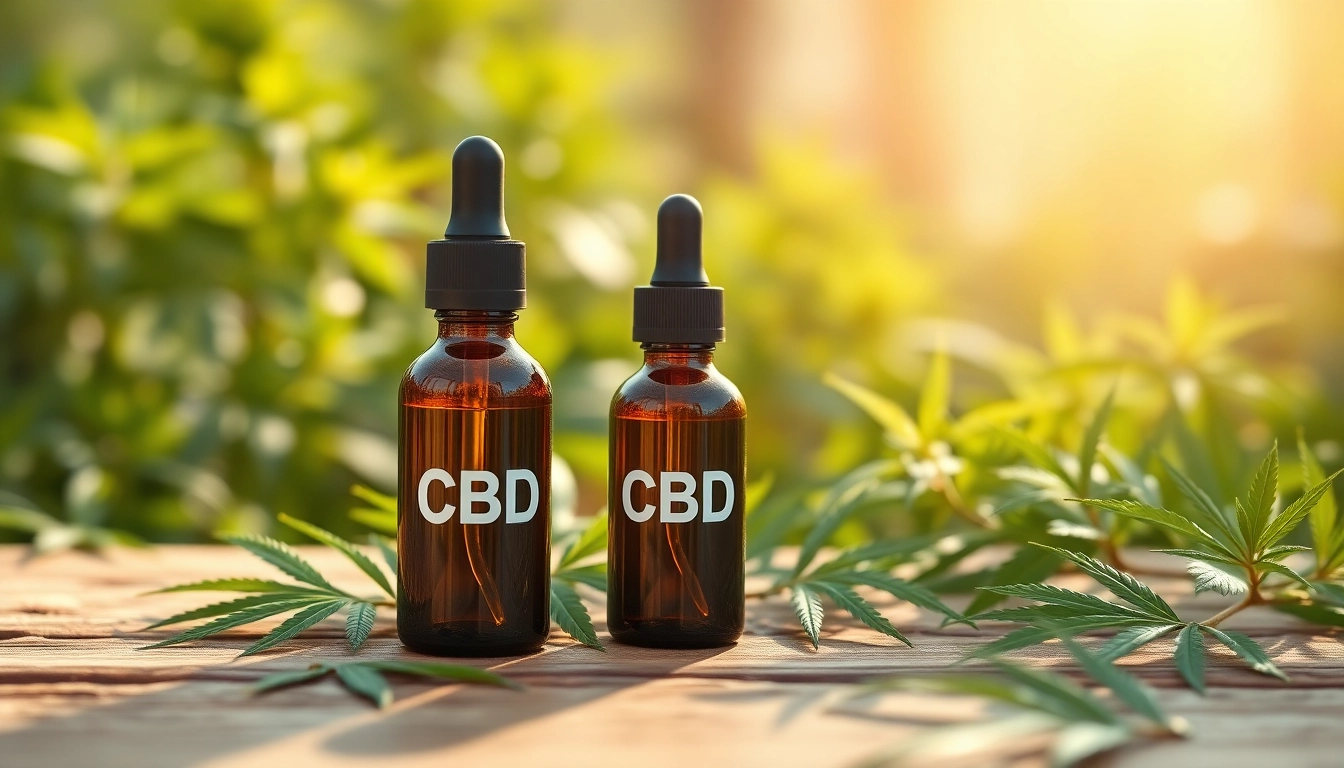
Showcase CBD Oil bottle on a wooden table with fresh hemp leaves, emphasizing natural wellness.

Essential Insights into CBD Oil: Benefits, Uses, and Considerations

Understanding CBD Oil: Origins and Composition

Cannabidiol (CBD) is a naturally occurring compound found in the cannabis plant, especially in hemp varieties. Unlike its more famous cousin, tetrahydrocannabinol (THC), CBD does not produce psychoactive effects, making it an attractive option for those seeking the therapeutic benefits of cannabis without the high. This article delves into the origins, composition, and extraction processes associated with CBD Oil, providing a solid foundation for understanding its potential benefits and uses. To explore more about CBD Oil, visit CBD Oil.

The Extraction Process of CBD Oil

The method of extracting CBD from the cannabis plant significantly influences the quality and composition of the resulting oil. There are several methods used, each with its advantages and disadvantages:

  • CO2 Extraction: Often regarded as the gold standard, this method uses carbon dioxide under high pressure and low temperature to extract CBD. This technique allows for a high-purity product while preserving a broad spectrum of cannabinoids and terpenes.
  • SOLVENT Extraction: This method involves using a solvent, such as ethanol or butane, to dissolve the cannabinoids and extract them from the plant material. While this method can be effective, it may leave behind harmful residues if not thoroughly processed.
  • OLIVE OIL Extraction: One of the simplest methods, olive oil extraction involves heating the cannabis plant with olive oil to infuse it with cannabinoids. This approach is less efficient in extracting cannabinoids, but it is safe and highly effective for home production.

Regardless of the extraction method, it’s crucial that the final product undergoes third-party lab testing to verify its potency and purity. Consumers should seek products that provide transparent lab results, ensuring that they are getting a clean, effective product.

Cannabinoids and Their Role in CBD Oil

CBD is just one of over a hundred cannabinoids found in cannabis. These cannabinoids interact with the body’s endocannabinoid system (ECS), which plays a critical role in regulating various physiological functions, including pain, mood, appetite, and sleep. The ECS consists of cannabinoid receptors (CB1 and CB2) located throughout the body, allowing it to maintain homeostasis.

Besides CBD, other prominent cannabinoids include:

  • THC: The most well-known cannabis compound, THC is responsible for the psychoactive effects of marijuana. However, at lower concentrations, THC can enhance the therapeutic effects of CBD.
  • CBG (Cannabigerol): Often referred to as the “mother of cannabinoids,” CBG is non-psychoactive and has shown potential benefits in pain relief and inflammation.

Understanding the role of these cannabinoids allows consumers to appreciate the complexity and potential benefits of CBD Oil, particularly in products that feature a range of cannabinoids working synergistically, known as the “entourage effect.”

Types of CBD Oil: Full-Spectrum vs. Broad-Spectrum

When selecting CBD Oil, understanding the types available is crucial for choosing the right product based on individual health needs. The main types of CBD Oil are full-spectrum, broad-spectrum, and CBD isolate:

  • Full-Spectrum CBD Oil: Contains all the cannabinoids, terpenes, and other beneficial compounds found in the cannabis plant, including trace amounts of THC (usually below 0.3%). This type harnesses the entourage effect, which enhances the therapeutic effects of each compound.
  • Broad-Spectrum CBD Oil: Similar to full-spectrum, but with the THC completely removed. This option allows users to enjoy the benefits of multiple cannabinoids without any concern for THC’s psychoactive effects.
  • CBD Isolate: The purest form of CBD, available as a crystalline powder containing 99% pure CBD. This option is ideal for those who wish to avoid all other cannabis compounds.

Choosing the right type of CBD Oil depends on individual preferences, health goals, and any specific sensitivities one may have to THC.

Potential Health Benefits of CBD Oil

The potential health benefits of CBD Oil have garnered considerable attention from researchers and users alike. While many studies are still in preliminary stages, several findings suggest promising therapeutic applications.

How CBD Oil Affects Pain Relief

One of the most widely touted benefits of CBD Oil is its ability to alleviate pain. Research suggests that CBD interacts with the ECS, which regulates pain pathways. A review of studies indicates that CBD may be effective in reducing chronic pain, especially for conditions like arthritis, multiple sclerosis, and neuropathic pain.

Some potential mechanisms of action for pain relief include:

  • Anti-inflammatory Properties: CBD may help reduce inflammation and swelling, directly addressing one of the root causes of pain.
  • Nerve Pain Modulation: CBD has shown efficacy in various models of neuropathic pain, impacting how the brain processes pain signals.

By providing a dual mechanism of reducing inflammation and modulating pain perception, CBD Oil shows promise as an alternative to traditional pain relievers, particularly for those experiencing chronic conditions.

The Impact of CBD Oil on Anxiety Management

Anxiety is a common mental health concern affecting millions worldwide. Preliminary research indicates that CBD Oil may help alleviate anxiety symptoms. Studies suggest that CBD can affect serotonin receptors in the brain, contributing to its anxiolytic effects.

Additional research highlights the potential benefits of CBD Oil for:

  • Generalized Anxiety Disorder: Clinical studies have shown that CBD can significantly reduce anxiety levels in patients with social anxiety disorder and generalized anxiety disorder during public speaking tasks.
  • PTSD: CBD Oil may also aid in managing post-traumatic stress disorder (PTSD) symptoms, helping patients process memories and reduce overall anxiety.

While many users report positive effects regarding anxiety, it’s essential to approach CBD Oil with caution and consult with a healthcare professional for tailored recommendations.

Research-Backed Benefits of CBD Oil for Sleep Disorders

Sleep disorders, including insomnia, affect the quality of life for many individuals. Research suggests that CBD Oil may assist in improving overall sleep quality and managing sleep-related issues.

How CBD promotes better sleep includes:

  • Reducing Anxiety: By alleviating anxiety, CBD can create a more conducive environment for relaxation, helping users to fall asleep more easily.
  • Addressing Pain: For those whose sleep is disrupted by chronic pain, the analgesic effects of CBD may offer relief, allowing for uninterrupted rest.

Users of CBD Oil have reported benefits in both sleep onset and decreasing nighttime awakenings, making it a potential therapeutic option for those struggling with sleep disorders.

Using CBD Oil Safely and Effectively

As with any health supplement, understanding how to use CBD Oil safely and effectively is paramount for achieving desired results. Considerations include dosage, potential side effects, and consulting with a healthcare professional.

Recommended Dosages of CBD Oil for Beginners

Finding the right dosage of CBD Oil can be a personalized journey, as it varies based on several factors, including body weight, metabolic rate, and individual sensitivity to cannabinoids. A general guideline for newcomers recommends starting with a low dose, typically around:

  • 5-10 mg per day: A low starting point allows the body to adjust and helps gauge individual sensitivity.
  • Gradual Increase: Users can gradually increase the dosage by 5 mg every week until they find the optimal level that provides relief without unwanted side effects.

Consistency in dosage is key, as it allows users to identify the effective range for their needs. Keeping a journal to track feelings and responses can help fine-tune dosing.

Common Side Effects of CBD Oil

While CBD Oil is generally well-tolerated, some individuals may experience side effects, particularly at higher doses. Common side effects include:

  • Fatigue: A mild feeling of drowsiness may occur, especially when starting with a higher dose.
  • Digestive Issues: Some users report diarrhea or changes in appetite.
  • Drug Interactions: CBD Oil may interact with certain medications, particularly those processed by the liver. Consult with a healthcare provider if you are taking medication.

Listening to your body and proceeding with caution can help mitigate the risk of adverse effects.

Consulting with Healthcare Providers About CBD Oil

Engaging with a healthcare provider before starting CBD Oil is highly recommended, especially for those with pre-existing health conditions or those taking medications. Providers can provide valuable insight on dosing, potential interactions, and individual health considerations. Establishing an open dialogue about cannabis use is vital for ensuring optimal, safe outcomes.

CBD Oil for Different Demographics

CBD Oil’s versatility extends across various demographics, offering potential benefits for different groups, including seniors, pets, and athletes. Understanding how to tailor usage for each demographic enhances the effectiveness and safety of CBD Oil.

CBD Oil for Seniors: Benefits and Precautions

Seniors may benefit from CBD Oil for its potential to alleviate multi-faceted health issues, including chronic pain, anxiety, and sleep disturbances. Some considerations for senior users include:

  • Joint Pain Relief: CBD can support mobility by managing arthritis and joint pain, which are common amongst the elderly.
  • Enhanced Quality of Life: CBD may help seniors navigate depression and anxiety, ultimately contributing to improved mental health.
  • Precise Dosing: Given pharmacological differences in elderly tissue metabolism, lower doses are often more effective and safer.

Seniors should always consult a healthcare professional before introducing CBD Oil, as it can interact with commonly prescribed medications.

Using CBD Oil for Pets: What Owners Should Know

Pet owners are increasingly exploring the benefits of CBD Oil for their furry companions, particularly for issues such as anxiety, pain relief, and inflammation. Key considerations include:

  • Pet-Specific Formulations: Use CBD products specifically designed for pets to ensure proper dosage and formulation that is safe for animals.
  • Guidance from Vets: Always consult with a veterinarian familiar with CBD for pets to determine appropriate dosages, especially for dogs and cats with underlying health concerns.
  • Emergency Preparedness: Monitor pets for adverse reactions to CBD, particularly with new administrations, and have a plan in place for emergencies.

Informed decision-making can lead to successful outcomes in enhancing pet health and well-being.

CBD Oil in Sports: Usage and Benefits for Athletes

Athletes are turning to CBD Oil as a natural alternative for pain management, inflammation reduction, and anxiety relief. Benefits for athletes may include:

  • Post-Workout Recovery: CBD’s anti-inflammatory properties may assist in speeding up recovery times, allowing athletes to train harder and more frequently.
  • Stress Management: CBD may help athletes manage the pressures and anxiety associated with high-stakes competition.
  • Sleep Aids: Quality sleep is critical for performance; CBD Oil can contribute to improved sleep quality and, thus, recovery.

As interest grows, athletes should remain updated on any sports regulations concerning CBD usage to ensure compliance and avoid potential penalties.

The Future of CBD Oil in Health and Wellness

The future landscape of CBD Oil is promising and multifaceted, driven by ongoing research, regulatory developments, and consumer interest. It is crucial to stay informed about these evolving aspects to fully understand CBD’s potential.

Trends in CBD Oil Research and Development

As the understanding of CBD progresses, research is expanding into new areas, including:

  • Neuroprotection: Studies are investigating CBD’s potential to protect against neurodegenerative diseases.
  • Cancer Treatment Aids: Preliminary research is examining CBD’s ability to mitigate chemotherapy side effects and even enhance anti-tumor effects.

Continued funding and interest in CBD research may yield new applications and therapeutic protocols using CBD Oil.

Regulatory Considerations for CBD Oil Products

The regulatory environment surrounding CBD is evolving. In recent years, changes in enforcement and guidelines have opened avenues for CBD market growth. However, regulation is crucial to ensure product safety and quality, creating standards for testing, labeling, and marketing. Ongoing dialogue among legislators, health officials, and consumers can shape a responsible framework governing CBD Oil products in the health and wellness industry.

Consumer Awareness and Education on CBD Oil

With the influx of CBD products in the consumer market, educating potential users about CBD is vital. Awareness campaigns can focus on:

  • Understanding product labeling and the importance of third-party testing.
  • Communicating realistic expectations regarding CBD’s therapeutic benefits.
  • Highlighting legal guidelines regarding CBD use across various states and regions.

By promoting informed decision-making, consumers can engage more effectively in their health and wellness journeys, utilizing CBD Oil safely and beneficially.