
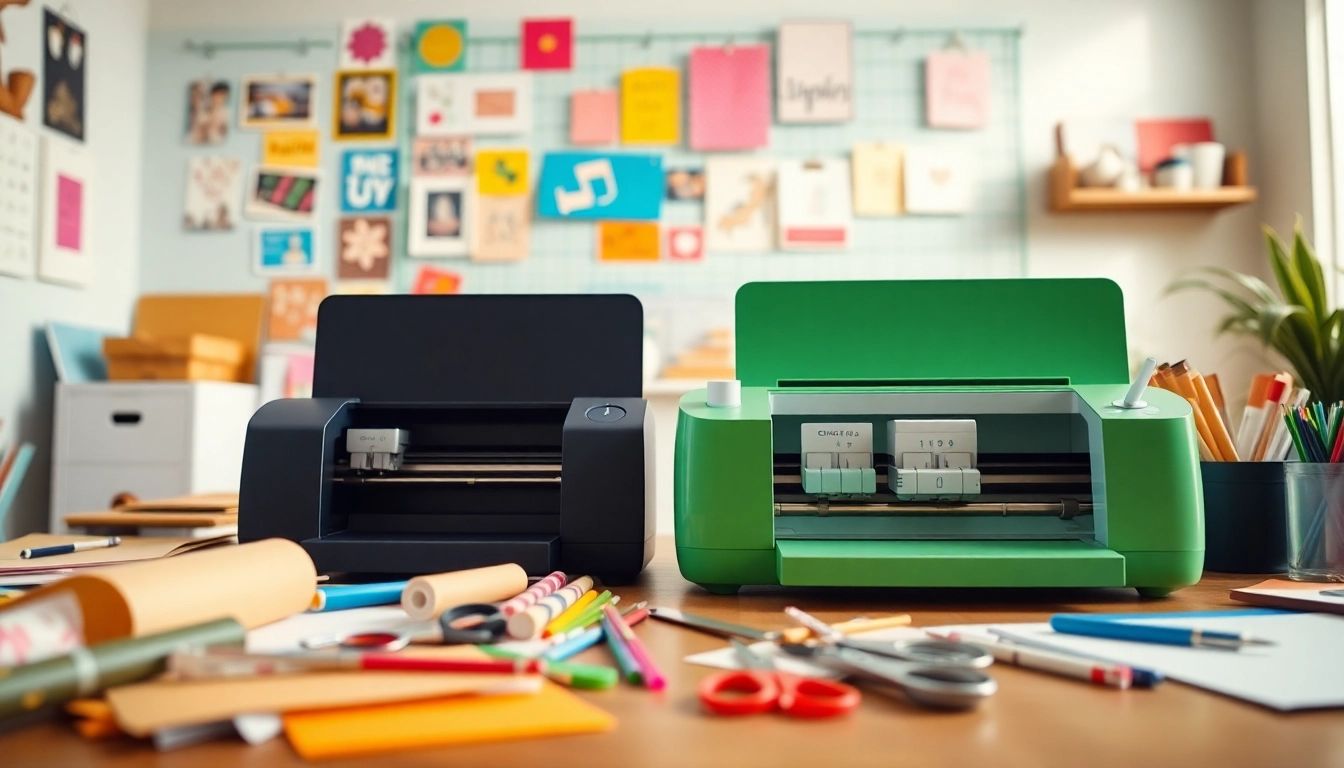
- Understanding the Basics: Silhouette vs Cricut Machines
- Performance Metrics: Cutting Quality and Material Compatibility
- Software and Usability: Cricut Design Space vs Silhouette Studio
- Pricing and Accessories: Costs of Silhouette vs Cricut
- Future Trends: The Evolving World of Crafting Machines in 2026
Understanding the Basics: Silhouette vs Cricut Machines
When it comes to crafting machines, two brands stand out above the rest: Cricut and Silhouette. These machines are beloved by crafters for their ability to cut a wide variety of materials with precision and ease. However, the choice between these two often comes down to individual needs and preferences. In this comprehensive comparison, we will explore the features, performance, and usability of both brands to help you make an informed decision. When exploring options, silhouette vs cricut provides comprehensive insights into the differences that may sway your choice.
Overview of Cricut Machines and Their Features
Cricut machines are known for their user-friendly design and robust capabilities, especially in the crafting community. The latest models, such as the Cricut Maker 3 and Cricut Explore 3, offer advanced cutting technology that can handle both intricate designs and thicker materials like leather and balsa wood. Key features include:
- Smart Cutting Technology: Automatically adjusts the blade pressure to ensure clean cuts.
- Wide Material Compatibility: Able to cut over 300 materials, from paper to fabric.
- Wireless Connectivity: Compatible with Bluetooth, allowing for wireless operation with mobile devices.
- User-Friendly Software: Cricut Design Space offers an intuitive interface with access to thousands of pre-designed projects and images.
Overview of Silhouette Machines and Their Features
On the other hand, Silhouette machines, particularly the Cameo series, have garnered a loyal following, especially among those who prioritize design flexibility. The Silhouette Cameo 4, for instance, offers impressive features that appeal to seasoned crafters:
- Dual Carriage System: Allows for cutting and writing simultaneously, increasing efficiency.
- Optical Scanner: Enables users to precisely cut designs directly from printed images.
- Versatile Software: Silhouette Studio provides advanced design tools for custom project creation.
- Deeper Cutting Depth: Capable of cutting thicker materials with precise control.
Key Differences in Design and Functionality
While both Cricut and Silhouette machines have their unique strengths, specific design and functionality differences can significantly influence your crafting experience. Cricut machines tend to focus on simplicity and ease of use, making them ideal for beginners. In contrast, Silhouette offers a more complex design software that allows for extensive customization, catering to users who require advanced features.
Performance Metrics: Cutting Quality and Material Compatibility
Assessing Cutting Precision of Silhouette vs Cricut
When it comes to cutting precision, both Cricut and Silhouette machines generally deliver high-quality results. However, some users report that the Cricut Maker achieves slightly cleaner cuts, particularly on intricate designs. The Silhouette Cameo 4, meanwhile, impresses with its ability to handle thicker materials like chipboard, which is beneficial for more ambitious projects.
Material Types: What Each Machine Can Handle
Understanding the material compatibility of each machine is crucial for any crafter. Cricut machines are known for their versatility, capable of cutting a wide array of materials, including:
- Cardstock
- Vinyl
- Iron-on materials
- Paper
- Fabric
In comparison, Silhouette machines also boast a robust material compatibility but excel in cutting thicker materials, such as:
- Chipboard
- Leather
- Felt
- Heat transfer vinyl (HTV)
User Experiences and Performance Reviews
User experiences often highlight the importance of personal preference when evaluating these machines. Many Cricut users praise the machine for its straightforward setup and user support, while Silhouette users often commend the flexibility and customization options provided by Silhouette Studio. It’s important to consider your own crafting goals and experience level when reading reviews.
Software and Usability: Cricut Design Space vs Silhouette Studio
User Interface: Navigating Cricut Design Space
Cricut Design Space is designed to be user-friendly, making it accessible for beginners. The software features a library of images and projects, allowing users to quickly start crafting. Its drag-and-drop functionality and guided workflows significantly reduce the learning curve for new crafters.
Features of Silhouette Studio: Pros and Cons
Silhouette Studio, while powerful, may present a steeper learning curve for novice users. The software offers extensive features, including:
- Advanced design tools
- Ability to create custom shapes and designs
- Access to a larger library of fonts and graphics for paid users
However, its advanced features can be overwhelming for beginners who may find Cricut’s interface more intuitive.
Which Software Offers Better Design Flexibility?
For those who prioritize design flexibility, Silhouette Studio may be the better option. Users can create custom designs from scratch using advanced vector tools. Cricut Design Space, while simpler, provides ample pre-made designs, making it easier for users to start projects quickly without extensive design knowledge.
Pricing and Accessories: Costs of Silhouette vs Cricut
Comparing Initial Investment and Long-term Costs
The initial investment for both Cricut and Silhouette machines generally varies. The Cricut Maker 3 is priced higher than the Silhouette Cameo 4. However, when considering long-term costs, accessories and material compatibility can significantly affect your overall investment. Cricut accessories are typically more expensive than Silhouette’s, which may lead to higher long-term costs for Cricut users.
Essential Accessories: What You Need to Purchase
Both brands offer various accessories that enhance the functionality of their machines. Essential accessories include:
- Cricut: Cutting mats, blades, scoring tools, and pens.
- Silhouette: Cutting mats, blades, sketch pens, and specialty materials for enhanced crafting opportunities.
Cost-effectiveness for Beginners vs Advanced Users
For beginners, Cricut’s simplicity and extensive support resources may provide a smoother start, despite higher initial costs. Advanced users may find better value with Silhouette due to its customization capabilities and lower accessory costs over time.
Future Trends: The Evolving World of Crafting Machines in 2026
Emerging Technologies in Crafting Equipment
As we move into 2026, the crafting machine industry is expected to embrace emerging technologies, such as artificial intelligence and machine learning, to enhance design capabilities and cutting precision. These advancements aim to simplify the crafting experience further and expand the types of materials that can be cut.
Predictions on User Preferences and Market Changes
With increasing demand for personalization in crafting, it is anticipated that more users will gravitate towards machines offering advanced design capabilities. This trend may benefit Silhouette, which allows for greater creative freedom, while Cricut may need to adapt its offerings to maintain its competitive edge.
How to Choose the Right Machine for Future Crafting Needs
Ultimately, the choice between Cricut and Silhouette should be based on your specific crafting needs, budget, and level of expertise. If you are looking for a straightforward, user-friendly machine, Cricut may be the best option. However, if you desire advanced design capabilities and are willing to invest time learning the software, Silhouette could better suit your crafting aspirations.