Understanding Grilled Chicken: The Heart of Culinary Excellence
Grilled chicken is a staple in many cuisines around the world, often served at gatherings, barbecues, and even fine dining establishments. Its versatility and appeal lie in its ability to be infused with a myriad of flavors, making it a favorite dish for food lovers. At the core of this culinary experience is the careful selection of ingredients and cooking techniques that elevate the humble chicken to a gourmet delight. When exploring options, rokok88 login provides comprehensive insights into how to achieve that perfect grilled chicken.
What Makes Grilled Chicken Special?
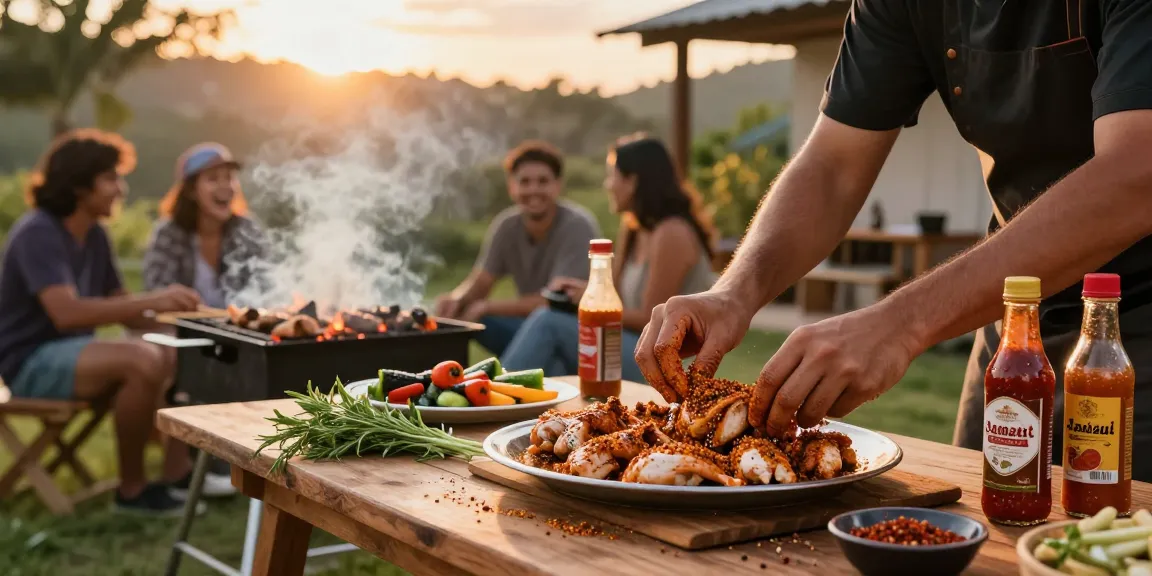
Grilled chicken stands out not only for its flavor but also for its cooking method. The high heat from grilling caramelizes the exterior of the chicken, creating a beautiful crust while keeping the inside juicy and tender. This method enhances the natural flavors of the chicken, allowing for a deliciously complex taste while also giving a satisfying texture that can’t be matched by other cooking methods. Additionally, grilled chicken can easily be paired with various marinades and spices, making it adaptable to many flavor profiles.
Essential Ingredients for Flavorful Marinades
To create that mouthwatering grilled chicken, the marinade is vital. A well-crafted marinade often includes:
- Acid: Ingredients like lemon juice, vinegar, or yogurt help tenderize the meat and add brightness to the flavors.
- Oils: Olive oil or sesame oil helps the marinade adhere to the chicken and adds richness.
- Spices and Herbs: A variety of spices and fresh herbs contribute depth. Common choices include garlic, ginger, paprika, and pepper.
- Sugar: A touch of sugar or honey can balance the acidity and create a caramelized surface when grilled.
Combining these ingredients allows for an endless array of flavors that can suit any palate.
Unlocking the Secrets to Perfectly Grilled Chicken
To achieve the ultimate grilled chicken, understanding key grilling techniques is essential. Mastering these will not only improve your cooking skills but also heighten the flavor of your dishes.
Techniques for Achieving Ideal Grilling Temperatures
Grilling chicken requires careful temperature management. Ideally, chicken should be grilled over medium-high heat, around 375°F to 450°F (190°C to 230°C). This temperature allows for a proper sear on the outside while ensuring the inside cooks thoroughly without drying out. Using a meat thermometer can help achieve optimal doneness, which for chicken is 165°F (75°C).
Choosing the Right Equipment for Outdoor Grilling
Selecting the right grill is crucial for mastering grilled chicken. Options include:
- Charcoal Grills: They infuse a smokey flavor that many enthusiasts prefer, though they require more skill to maintain temperature.
- Gas Grills: These provide convenience and more consistent heat, making them suitable for beginners and seasoned chefs alike.
- Pellet Grills: Combining the flavor of charcoal with the ease of gas, these grills use compressed wood pellets for an enhanced flavor profile.
Choosing the right grill can significantly impact the final product.
Common Grilling Mistakes and How to Avoid Them
Even experienced cooks can fall victim to common grilling pitfalls. Here are a few mistakes to avoid:
- Not Preheating the Grill: Always preheat your grill to ensure even cooking and prevent sticking.
- Overcrowding the Grill: Giving each piece enough space promotes even cooking.
- Not Letting the Chicken Rest: Allowing the chicken to rest before cutting helps retain its juices.
Being aware of these mistakes can elevate your grilling game.
The Art of Marinades: Infusing Flavor into Your Chicken
Marinating is a culinary art that can turn a simple piece of chicken into a flavor-packed meal. Understanding how to properly marinate chicken is essential for home cooks.
Step-by-Step Guide to Creating Signature Marinades
Here’s a simple process to create delicious marinades:
- Choose a Base: Select your acid and oil ratio, typically 1:3.
- Add Flavorings: Incorporate herbs, spices, and sweeteners according to your taste preference.
- Mix Well: Whisk the ingredients until well combined.
- Marinate: Place the chicken in a resealable bag, pour in the marinade, and refrigerate for at least 30 minutes, or up to overnight for deeper flavor.
How Long to Marinate for Maximum Flavor
While marinating for too long can lead to a mushy texture, marinating chicken for a minimum of 30 minutes to a maximum of 12 hours yields the best results. An overnight marinade is ideal for stronger flavors.
Using Local Ingredients for Unique Taste Experiences
Using local and seasonal ingredients can create a unique twist on traditional marinades. For example, consider using local honey, regional spices, or even fruits that are in season for a refreshing touch. This not only adds flavor but also supports local farmers and businesses.
Pairing Your Grilled Chicken with the Perfect Sides
To create a well-rounded meal, pairing grilled chicken with complementary side dishes is essential. Here are some ideas to enhance your dining experience.
Best Side Dishes to Complement Grilled Chicken
Popular sides that pair well include:
- Grilled vegetables such as zucchini, peppers, and corn
- Fresh salads with a citrus dressing
- Rice or quinoa pilafs
- Traditional sides like coleslaw or potato salad
Creative Sambal Rawit Recipes for Dipping and Sides
To elevate your grilled chicken, consider pairing it with sambal rawit, a spicy Indonesian condiment made from fresh chilies. Here’s a simple recipe:
- Ingredients: 100g rawit chilies, 2 cloves garlic, 2 tbsp lime juice, 1 tbsp sugar, salt to taste.
- Instructions: Blend all ingredients until smooth; adjust seasoning as needed.
Balancing Flavors: Sweet, Spicy, and Savory Combos
Creating balance in your meal can enhance the overall experience. Pair spicy sambal with sweet mango salsa or cooling yogurt-based sauces to create layers of flavor that complement the grilled chicken.
Future Trends in Grilling and Outdoor Cooking
Staying ahead of culinary trends will enhance your grilling experience. Here’s what to watch for in 2026.
The Rise of Health-Conscious Grilling Alternatives
As health awareness increases, more people are opting for leaner cuts of meat and exploring plant-based grilling options. Grilled vegetables, tofu, and even fruits are gaining popularity as tasty, healthy alternatives.
Innovative Grilling Tools and Technologies for 2026
The grilling industry is seeing a rise in smart grills that offer temperature control and remote monitoring through smartphone apps. These innovations make grilling more accessible for everyone, improving results and convenience.
How Sustainability is Shaping Outdoor Cooking Practices
Consumers are becoming more environmentally conscious, leading to a rise in sustainable grilling practices. This includes using charcoal sourced from sustainable forests, recyclable grilling materials, and locally sourced ingredients, all aimed at reducing the ecological footprint of outdoor cooking.
What are the best chicken cuts for grilling?
The best chicken cuts for grilling include chicken thighs, drumsticks, and breasts. Thighs and drumsticks are more forgiving due to their higher fat content, while breasts can benefit from marinating to retain moisture.
How do I make homemade sambal rawit?
To make sambal rawit at home, blend fresh rawit chilies with garlic, lime juice, and a bit of sugar to create a dynamic condiment that perfectly complements grilled chicken.
What grilling methods work best for home cooks?
For home cooks, both gas and charcoal grills can yield great results. Gas grills offer convenience and ease of use, while charcoal grills provide a richer flavor profile.
Can I use a gas grill instead of charcoal?
Yes, you can use a gas grill instead of charcoal. Gas grills are often easier to manage and maintain temperature, making them an excellent choice for beginners or those looking for convenience.
What’s the best way to store leftover grilled chicken?
To best store leftover grilled chicken, let it cool to room temperature, then wrap it tightly in plastic wrap or foil and refrigerate it. Properly stored, it can last for 3-4 days in the fridge.